Pushup Tracker
Blog
Tips, guides and motivation for push-ups and strength training.
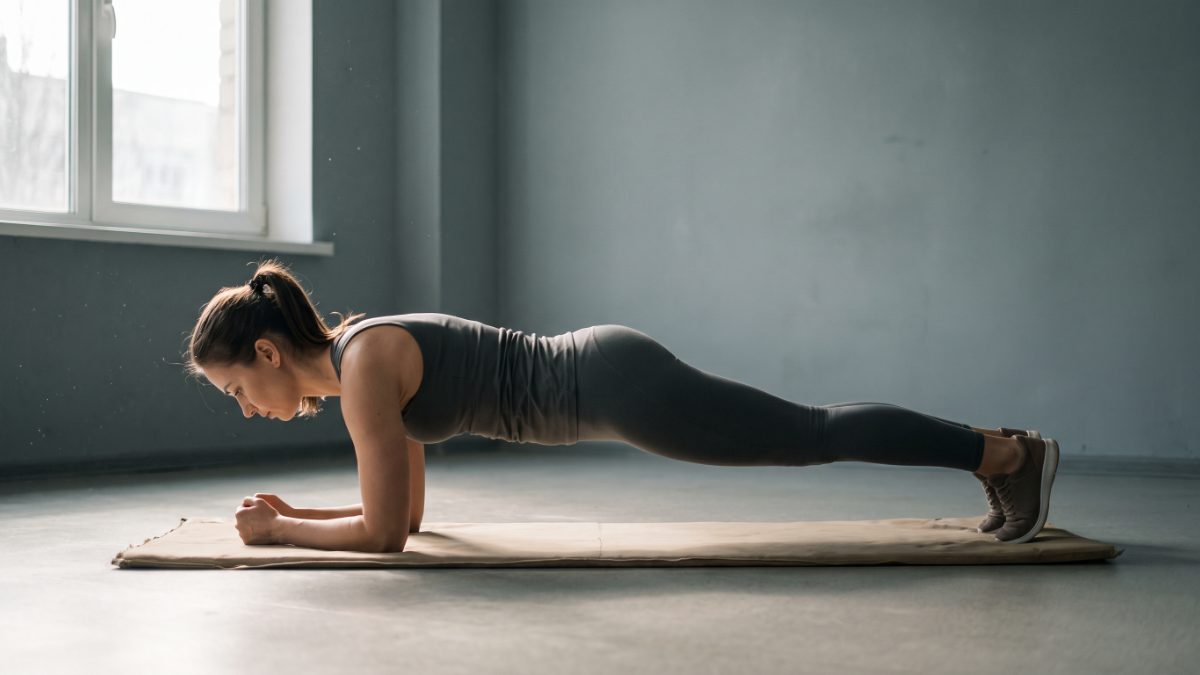
The core is not a six-pack, it is a stabilization system. What spine research says about sit-ups, the four jobs of the core, Stuart McGill's "Big Three," and a progression from your first plank second to the hollow hold.
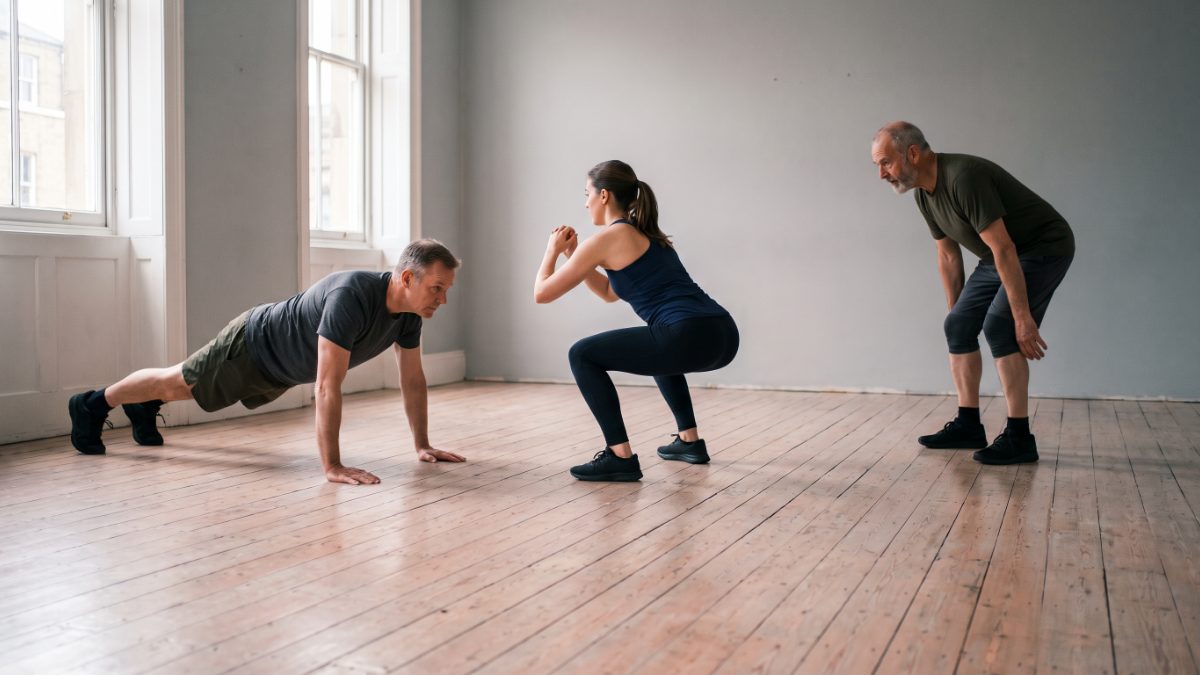
Push, pull, squat, hinge, core, endurance — cover these six patterns and your training is complete. Why the model comes from movement science, how to apply it without a gym, and what a balanced week looks like.

Intervals or easy steady-state training — the debate is old, but the answer is both. What VO₂max says about your life expectancy, what happens in your muscles during Zone 2, why HIIT is so efficient, and how to fit both into one week.
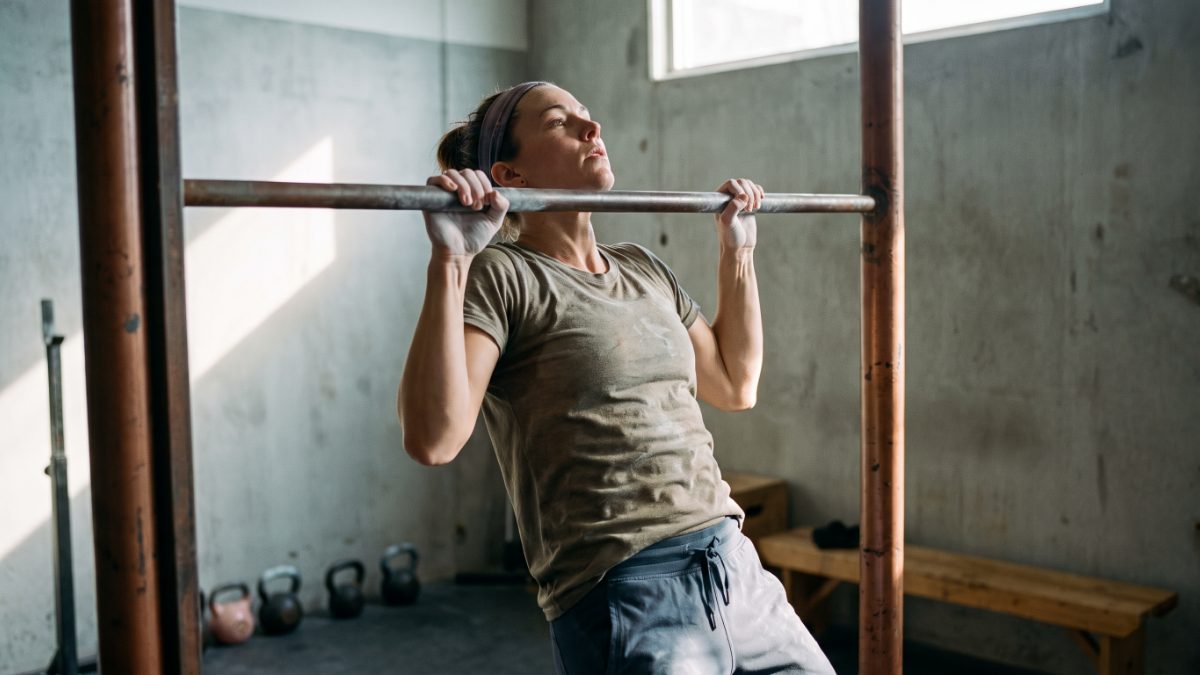
The pull-up is the king exercise for back, arms, and grip strength — and initially out of reach for most beginners. Anatomy, why it is so hard, the five progression stages, and an 8-week roadmap.

Training is the stimulus, recovery is the adaptation. What sleep deprivation does to muscle growth, strength, and injury risk, how supercompensation works, how to spot overtraining, and a recovery protocol for athletes with a real life.
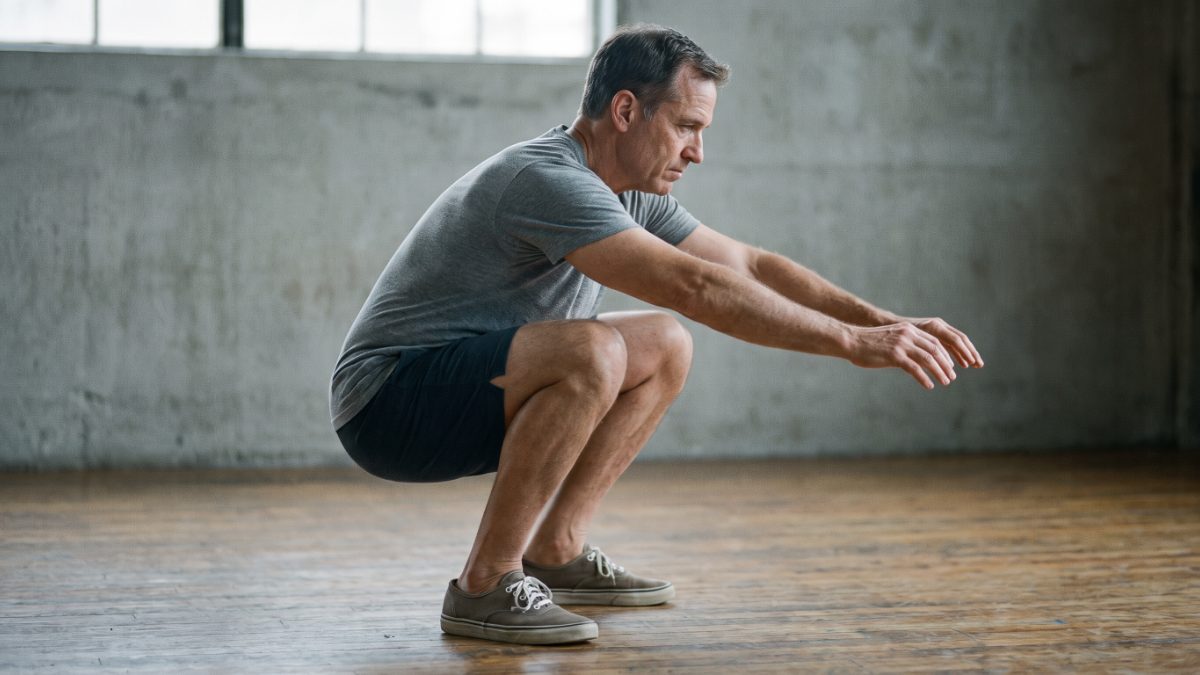
The squat is the most important exercise for legs, hips, and daily life in old age. Anatomy, what the research says about depth and "knees over toes," the most common mistakes, and a progression from the chair squat to single-leg variations — no equipment needed.
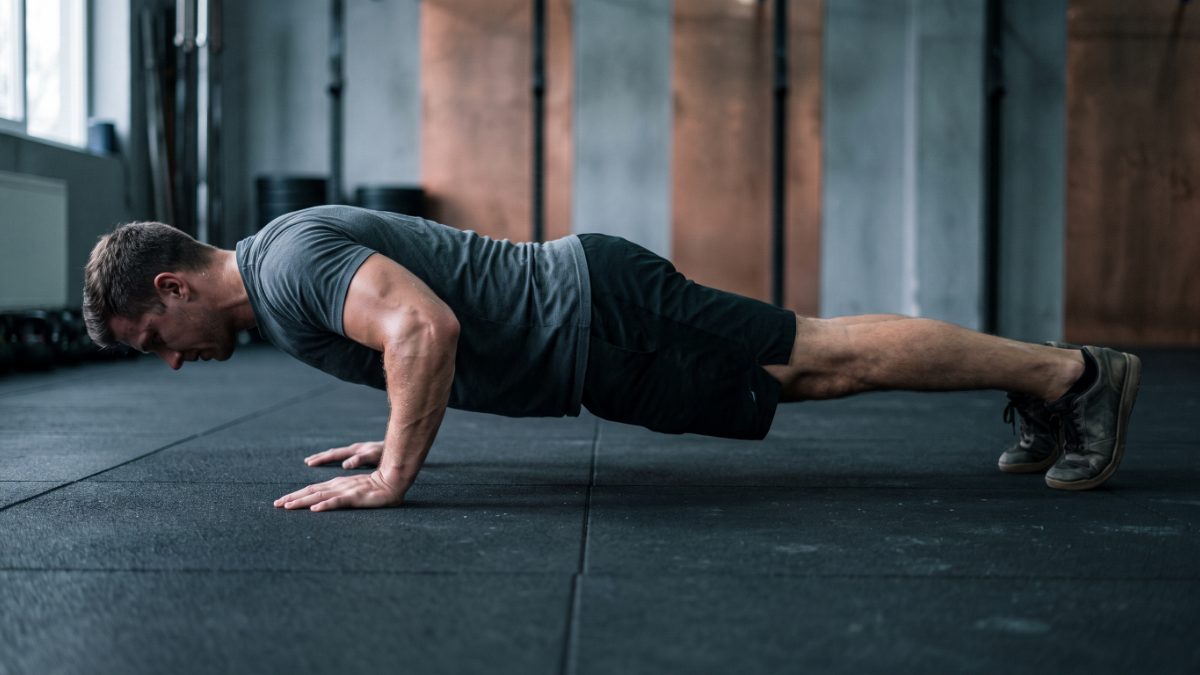
Can you build muscle without dumbbells? Yes — under three conditions. The studies comparing push-ups to bench press, the rep-range continuum, and a concrete plan for progressive overload without any weights.

Who invented the push-up? A journey from Indian wrestling schools through the German gymnastics movement and 20th-century military tests to 46,001 reps in 24 hours and the 2019 Harvard study.
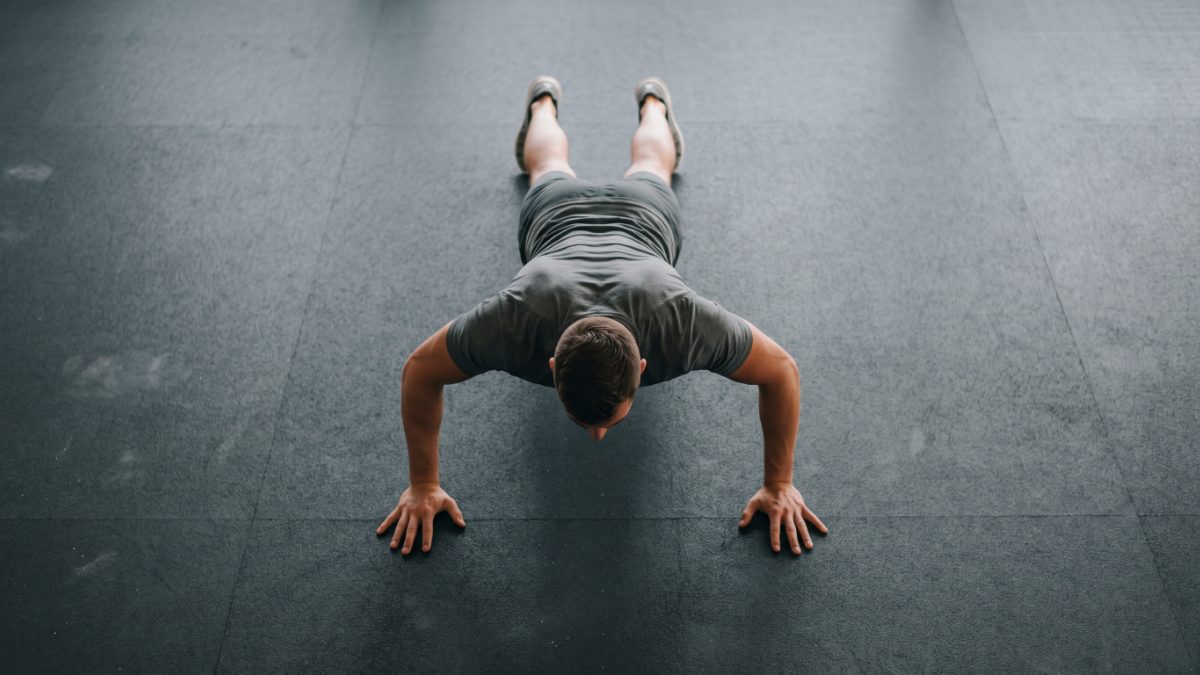
Chest, triceps, shoulders — and half a dozen silent helpers. What the research actually knows about muscle activation, moved bodyweight, and hand positions during push-ups.
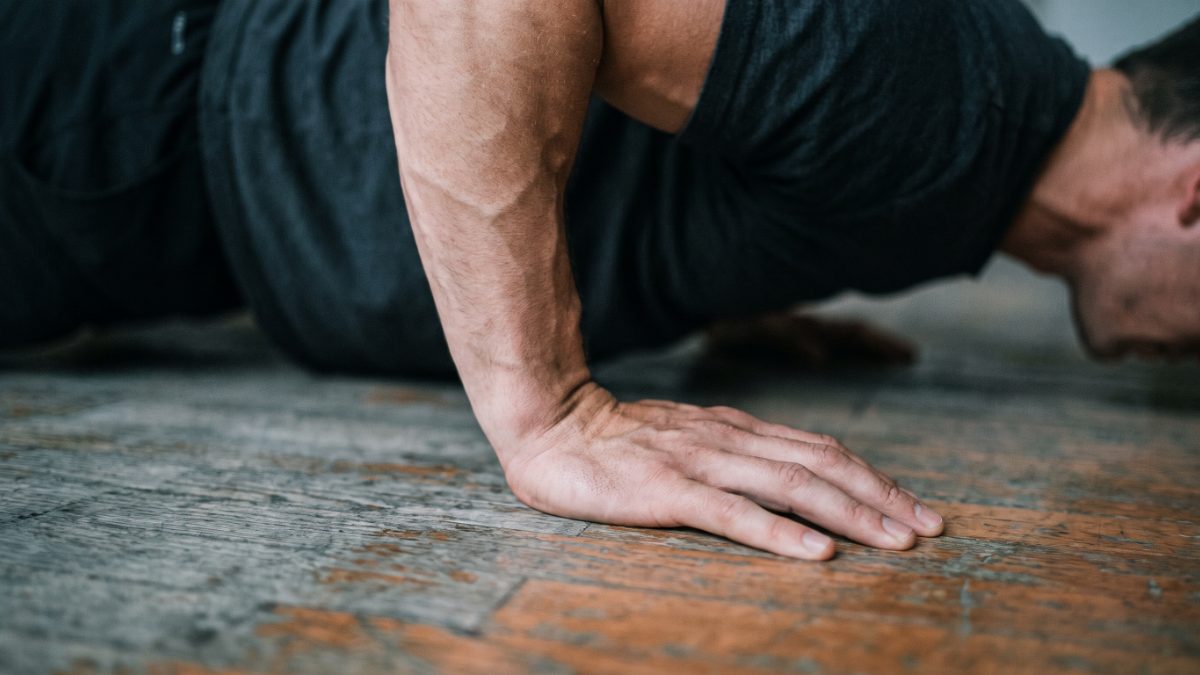
Wrist, shoulder, elbow, or lower back — almost every push-up pain has a mechanical cause. Anatomy, the most common triggers, a pain traffic-light, and a 10-minute prehab routine.
Bad form costs you reps, progress, and sometimes your shoulder. The most common push-up mistakes, with concrete fixes for each.

Women can do the same push-ups as men — the progression often just looks different. Anatomy, myths, and a realistic 4-week starter plan.

Breathing is undersold for push-ups. When to inhale, when to exhale, what bracing means — and why max-effort sets need a different rule.

A 2019 JAMA study put push-up capacity on the cardiovascular-risk map. Here is what the data actually said, what it did not, and how to use it for your own training.

Can the Wim Hof Method really boost push-up performance and recovery? A research-based look at the breathing protocol, cold exposure, and what the evidence actually shows.

Your body changes after 40 – but push-ups remain one of the best exercises. Learn how to build strength safely with the right adjustments.

This structured 30-day challenge helps you increase your push-up count step by step – from week 1 to the final test on day 30.

From knee push-ups to archer push-ups: these 10 variations target chest, triceps, and shoulders – and break through any plateau.

Why a digital push-up tracker makes the difference – and how Pushup Tracker helps you achieve personal bests and stay consistent.

Daily push-ups improve strength, posture, and well-being. Discover the scientifically proven benefits and how to build the habit for good.

A practical guide to progressively increasing your push-ups – with a training plan, technique tips, and proper recovery.